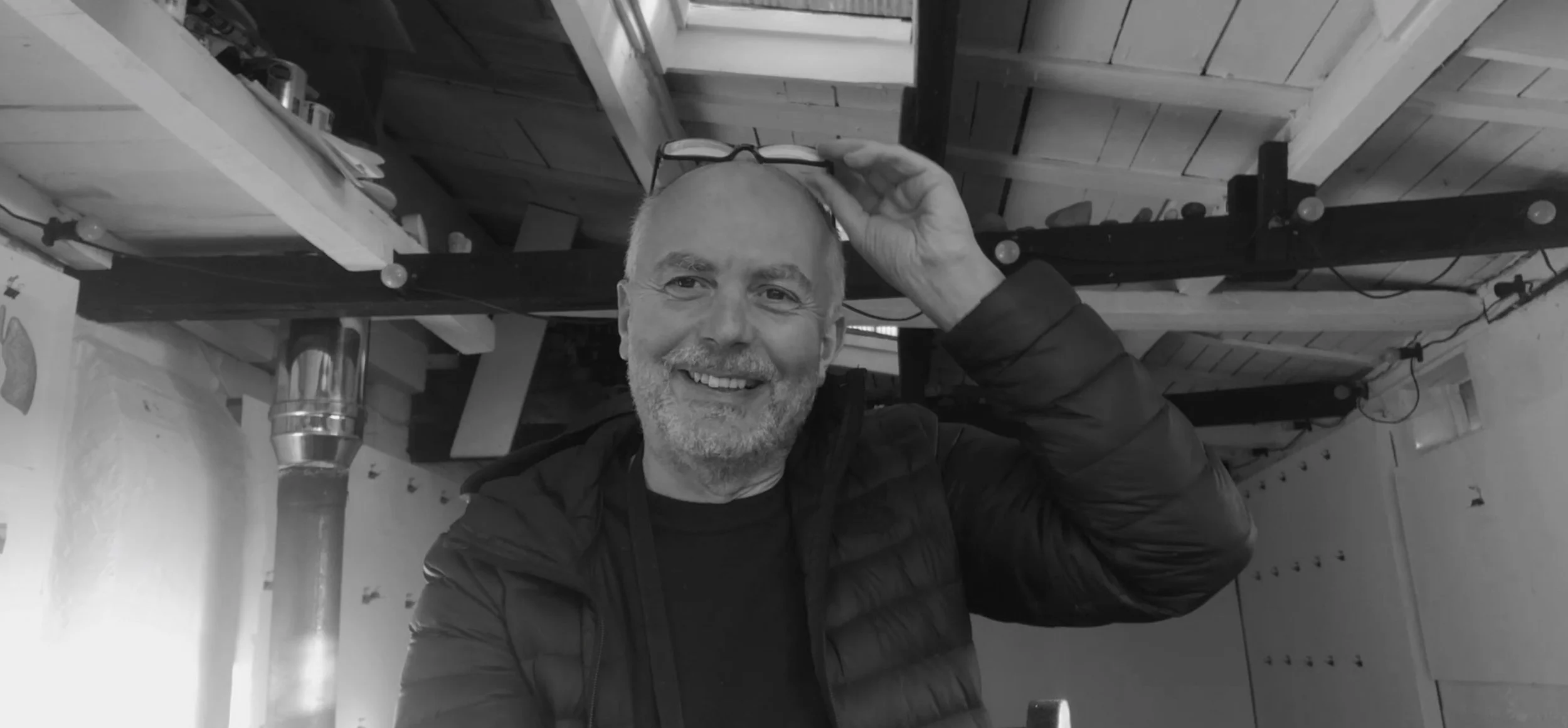
About.
According to AI, I’m an
“award-winning director whose career spans the defining eras of modern British filmmaking and visual culture”.
Apparently I also manage to
“seamlessly blend cinematic scale with cutting-edge visual techniques”.
I loved the arse smoke right up to the bit where it said
“[insert name here] continues to create compelling narratives for global brands, artists, and audiences alike.”
I guess some of it is true.
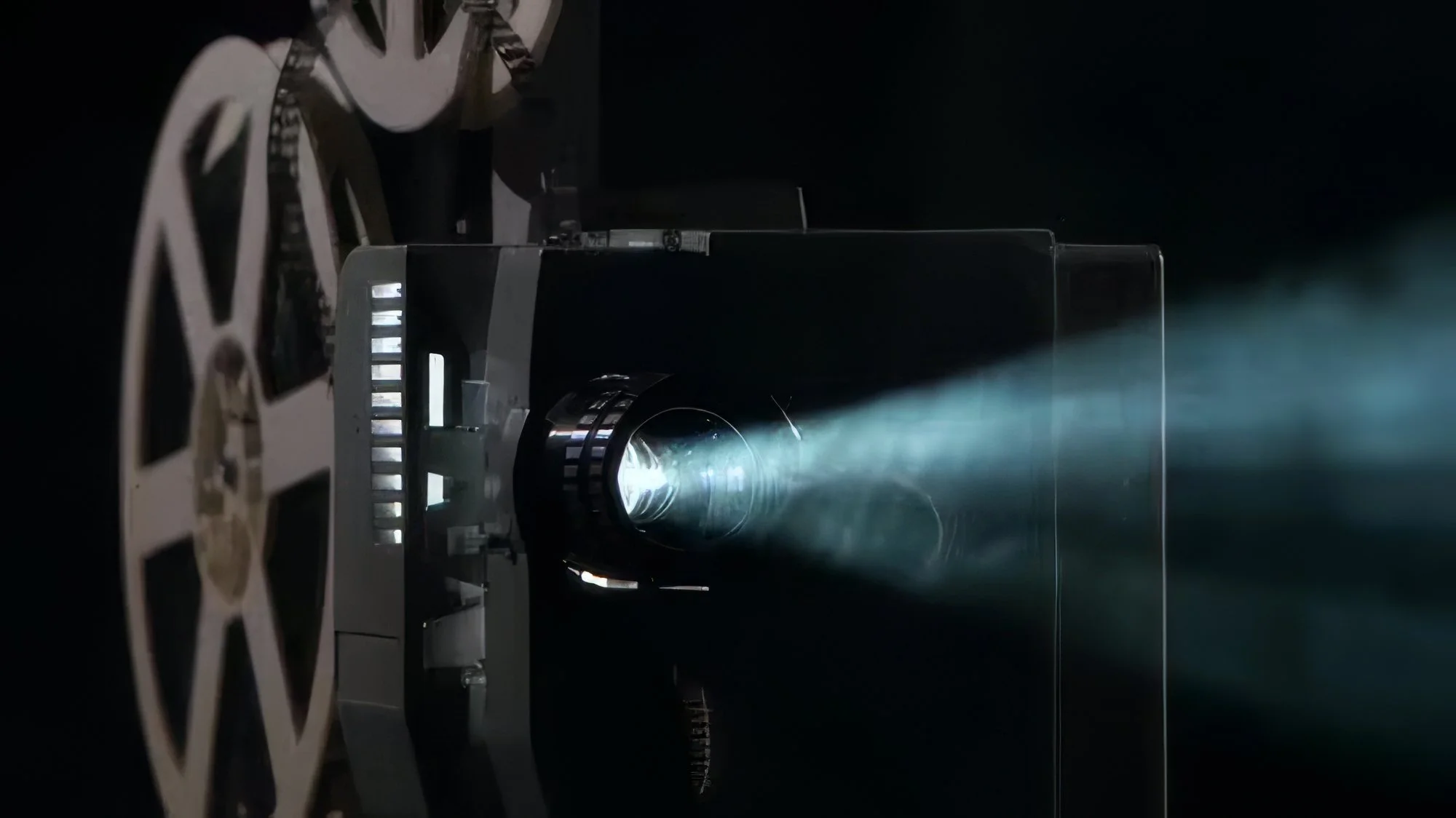
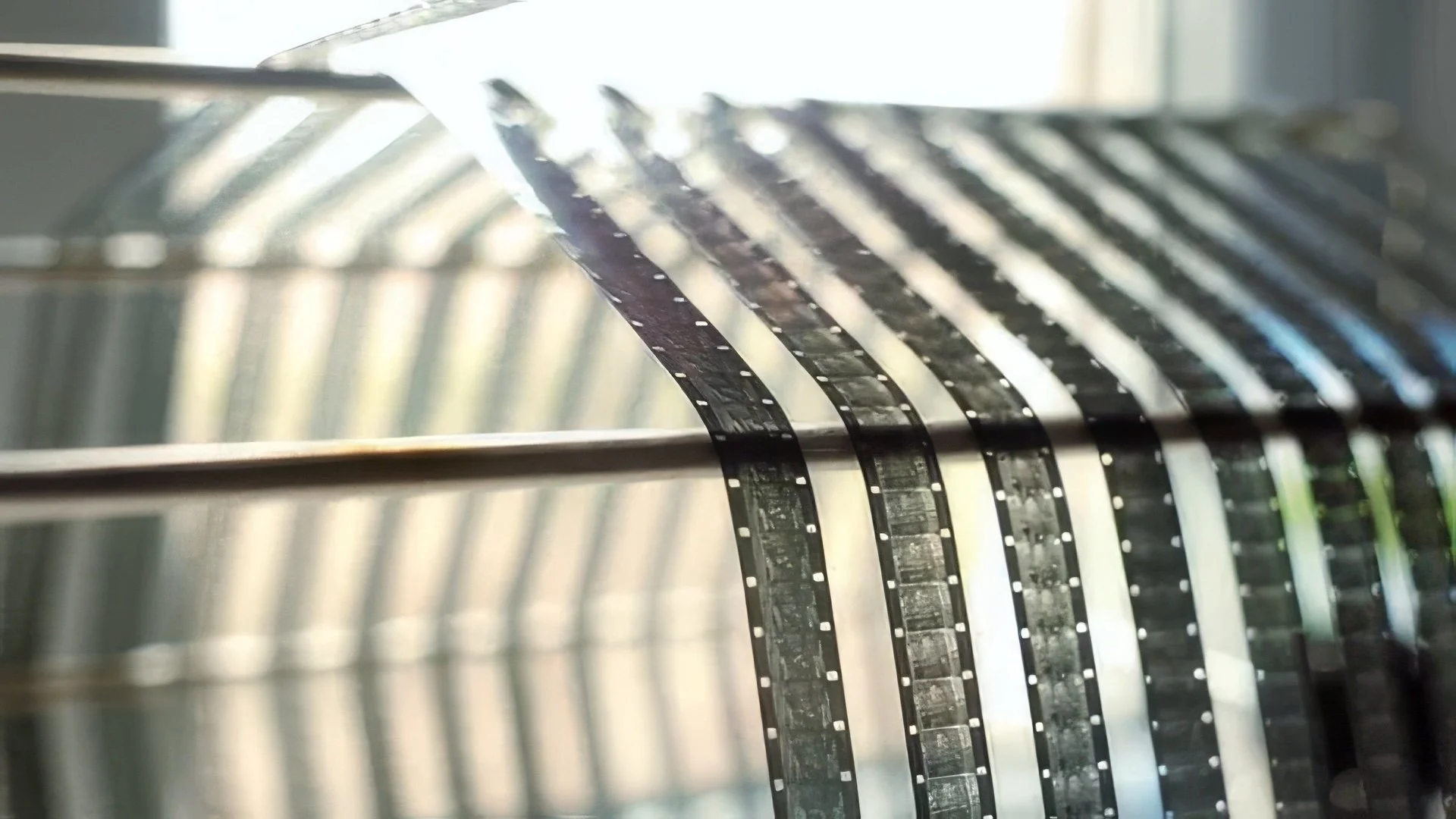
My version starts in a darkened room with the flickering light of Gary Kimberly’s dad’s Super 8 projector.
Primary school Gary’s dad screened his home movies one afternoon in their living room. The curtains drawn for darkness, the projector angled down at the carpet for some reason. That lit a match in me. Unfortunately, Mr Kimberly never let us near the camera or projector, so my enthusiasm was largely theoretical at this stage.
I must have been seven or eight when I storyboarded an entire film about a boy on a bicycle, inspired by the young filmmakers’ competition on the BBC’s Screen Test. ‘Film School’ for my generation.
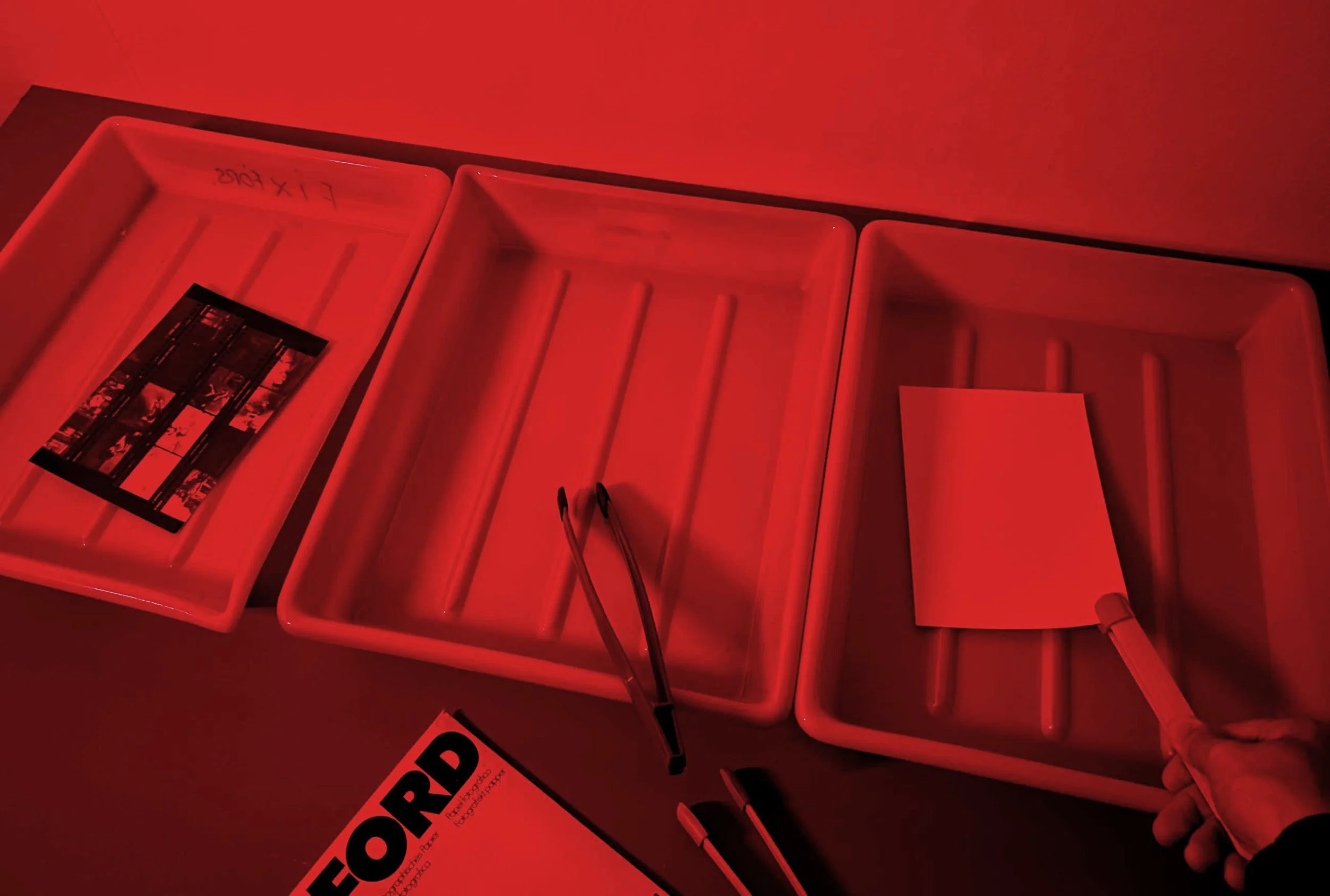
A middle school teacher introduced me to the magic of the photographic darkroom, and my brother and I saved up to make one in our loft. Later, I saved my school dinner money for photographic gear and scrounged chips off friends to stave off hunger.
Vision On’s Tony Hart was a family friend around that time. Knowing someone I’d seen on television made the people who made programmes seem a little less remote.
Then, at ten, I became best friends with the boy I sat next to because our surnames followed each other alphabetically. His dad had a photographic studio near Cambridge Circus and drank at the French House. My dad worked in a rural chemicals factory. Until then I’d had no idea you could make a living in a place like that.
A coach trip to see Close Encounters of the Third Kind on the huge screen at the Odeon Marble Arch stayed with me.
I loved the characters and overlapping stories in Hill Street Blues. We’d pick over episodes with Mr Dale, our geography teacher. And then there was the comedy - Taxi, Porridge, Reggie Perrin, Not the Nine O’Clock News, The Young Ones…
When I told the school careers adviser I wanted to be a cameraman on Top of the Pops, she said I should direct. Then I could tell Pan’s People what to do.
By sixth form I was writing and directing satirical pantos for the students and comedy revues for the paying public. People laughed.
On my foundation course I began projecting Super 8 films onto handmade glass screens, each designed for the film being shown. Eat your heart out, Mr Kimberly.
At art school I learnt how to develop an idea into a narrative film. I learnt to shoot, develop, print and cut 16mm, edit on a Steenbeck, record sound on a Nagra and mix it in a studio. Along the way, I discovered how much I liked making things with other people.
Outside college I helped project films onto buildings, got paid to show my work in nightclubs, film fashion shows, light bands and construct art installations.
After leaving St Martins, I found ways to smuggle stories into music videos, squeeze them into commercials and give them a bit more room in shorts.
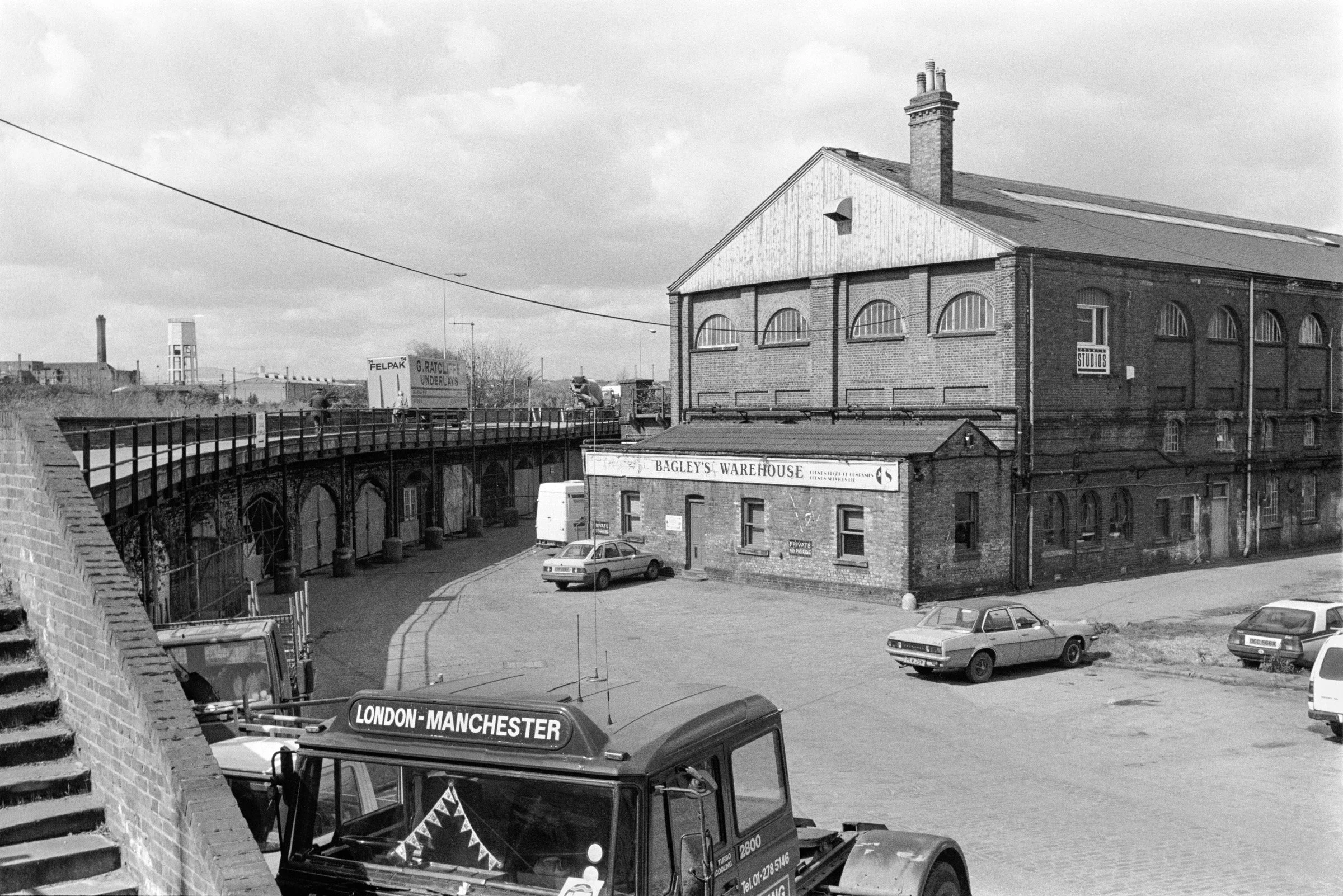
I joined Trigger Happy Films at Bagley’s Warehouse in King’s Cross (now fancy and all Coal Drops Yard), in the early days of promos for bands like Happy Mondays and Orbital. From there I went to LFB with another roster of intriguing directors, then to Black Dog and RSA, where I’ve spent the best part of thirty years making films for brands and bands.
Before I joined, I rang Chris Cunningham to ask what the place was like. He told me his aim was to take down the old dinosaurs. Meaning Ridley Scott, Tony Scott, David Bailey.
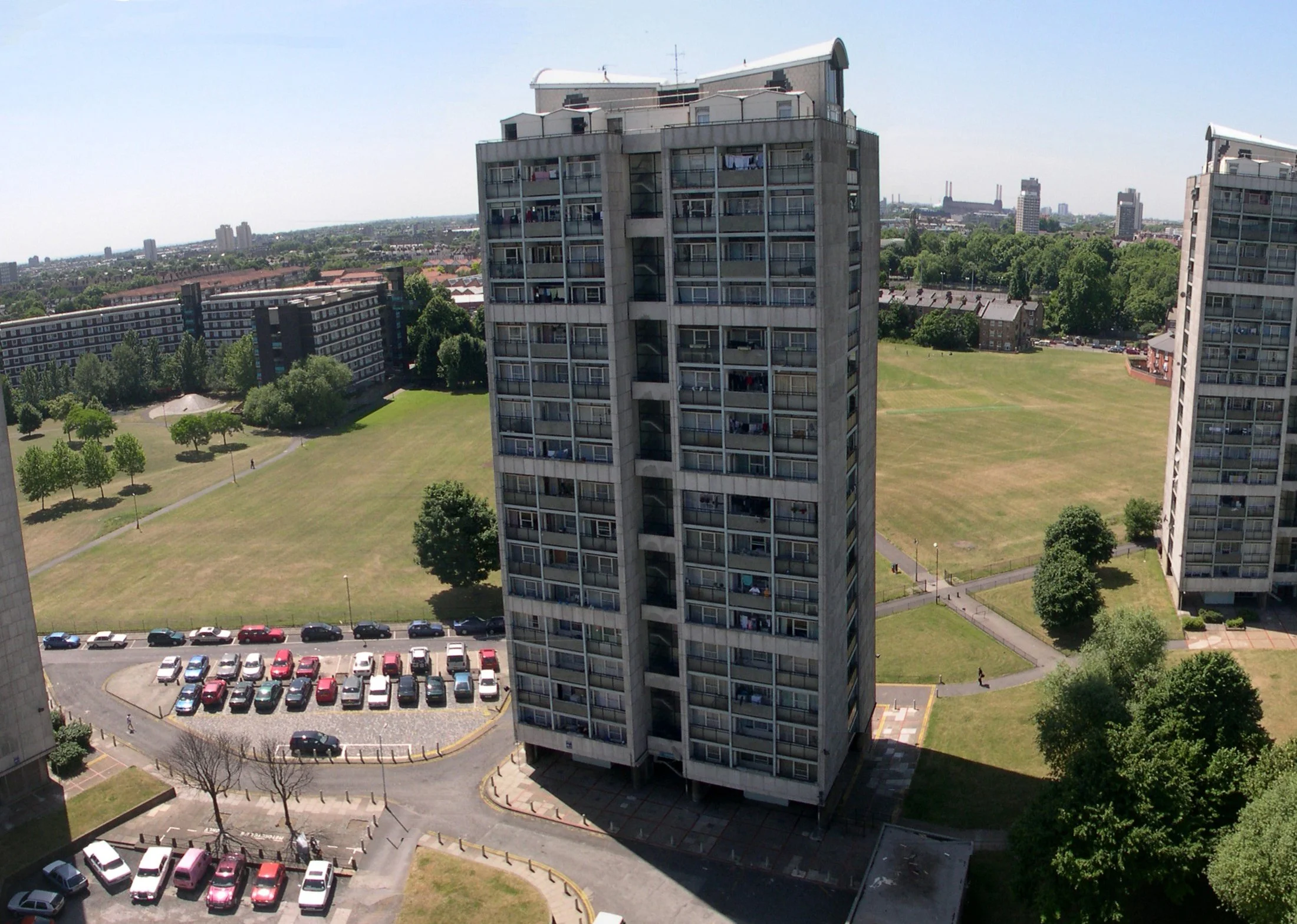
Working with Sean Lock and Benedict Wong on 15 Storeys High gave me two series to help build a comic world where a silence could be as funny as a line. Sean and I didn’t want it to be a conventional sitcom, so we took it out of the studio, shot it on a single camera and made it look like a Nordic arthouse movie. I was nominated for a BAFTA for directing it.
I’m still building worlds, writing and developing films and television. And hopefully still making people laugh in the right places.
Happy Dust spends an Atlantic crossing inside a narco-sub.
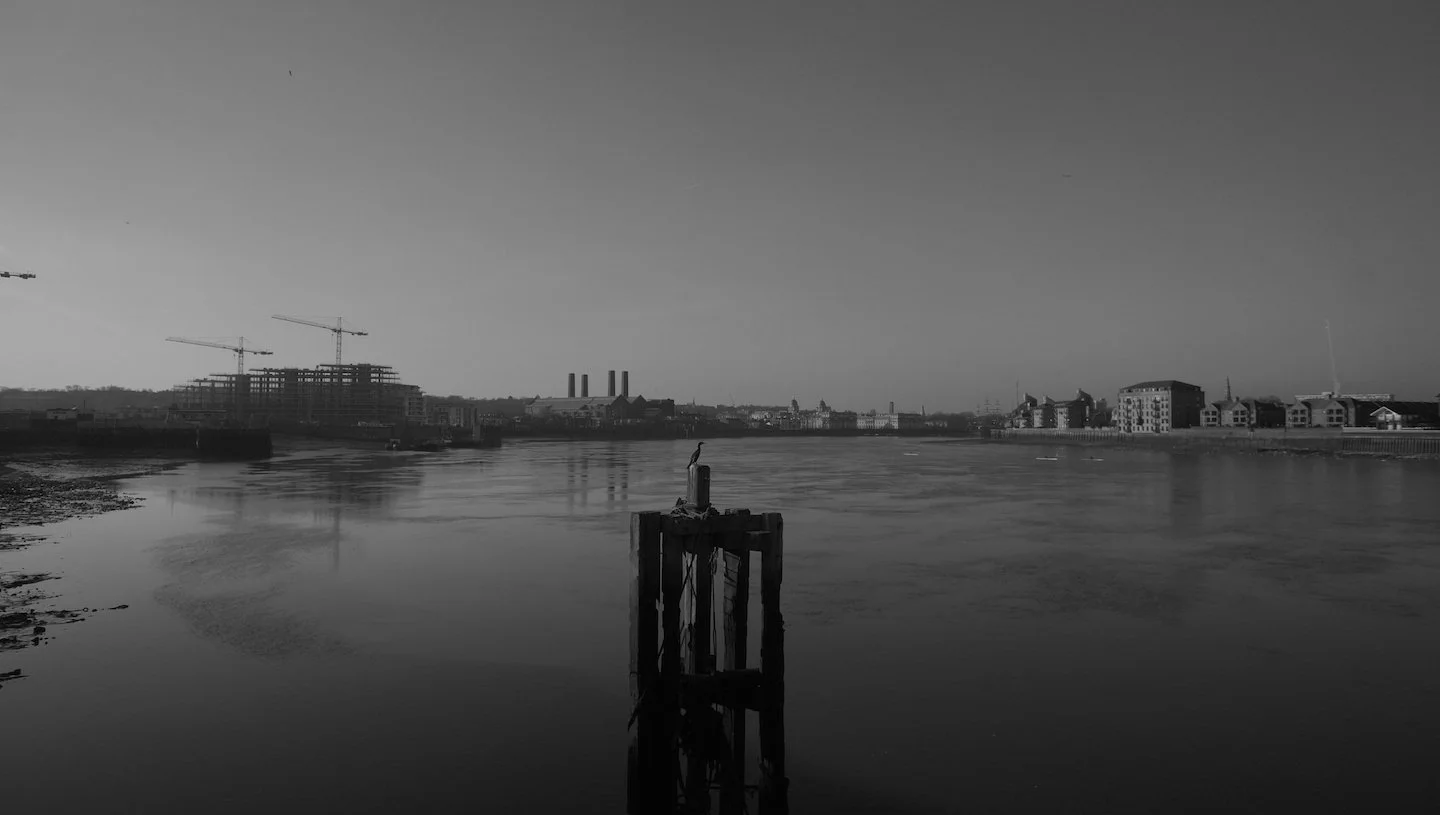
Bend in the River follows two people falling for each other along the industrial stretch of the Thames where I’ve lived for years.
In Reasons to be Cheerful, a man can talk about his grief to a room full of strangers but can’t bring himself to talk to his son.
I guess I’m drawn to what people give away while they’re trying to keep something to themselves.
There. I can blow my own trumpet as much as any AI ever can.